Duvets, comforters, and quilts are all popular bedding options, but each has a different construction, feel, and purpose. Understanding these differences can make it easier to choose the right layer for your bedroom and climate.
While all three can add warmth and style to your bed, the best option depends on how much insulation you prefer, how often you change your bedding, and the type of look you want to create.
What Is a Duvet?
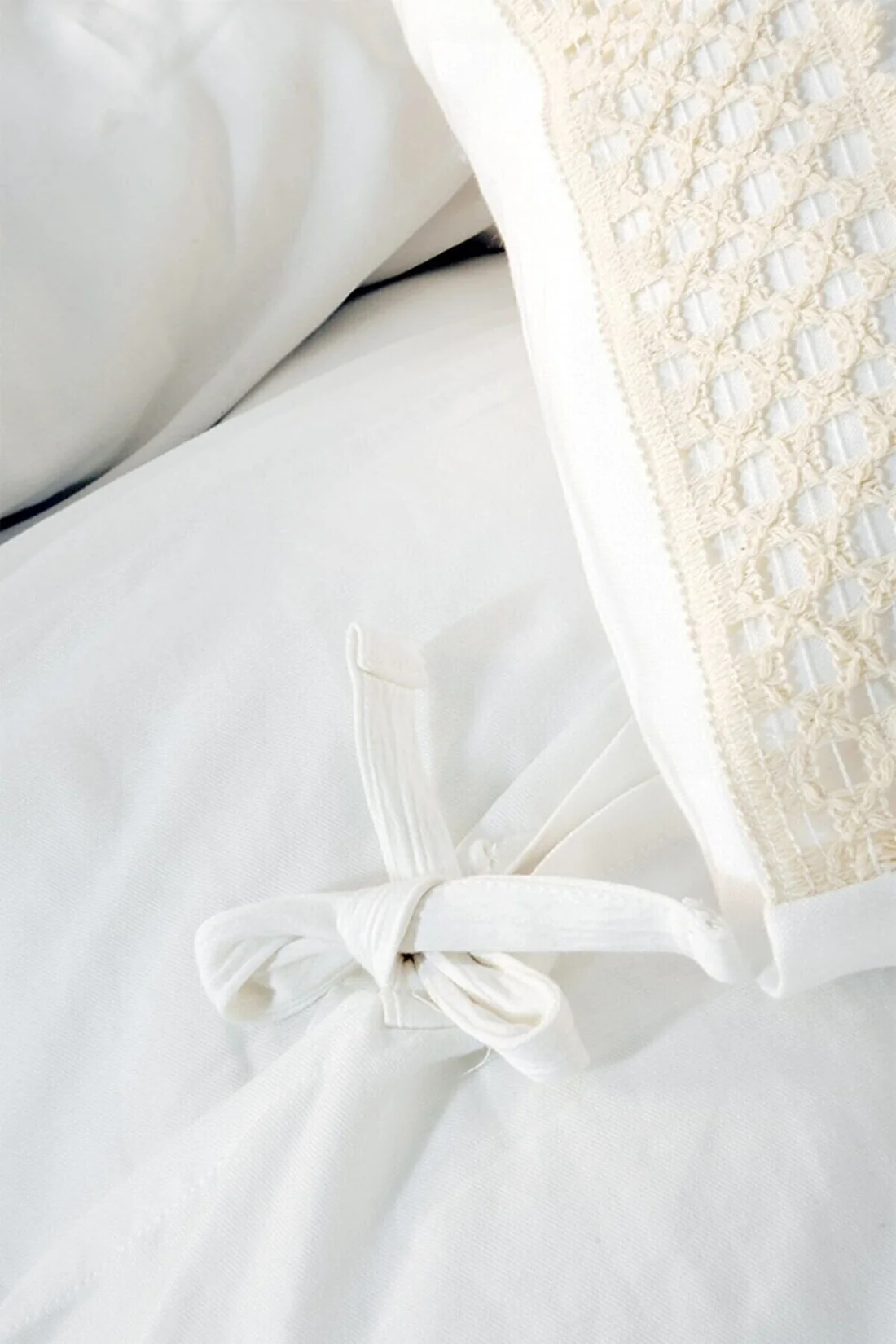
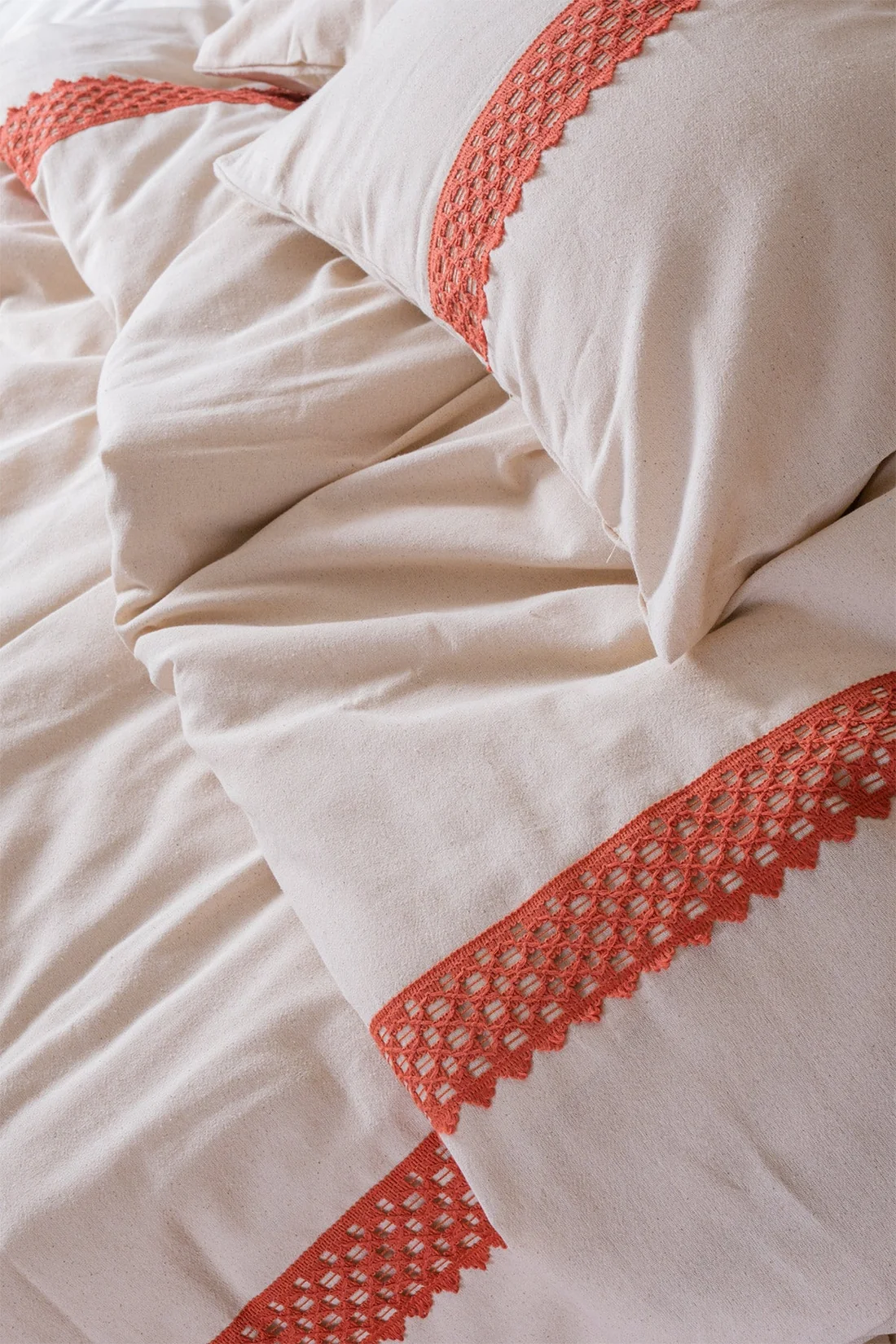
A duvet is typically a soft insert designed to be used with a removable duvet cover. The cover can be changed separately, making it easy to refresh the look of your bedroom without replacing the entire bedding layer.
Duvets are often chosen for their plush appearance and versatility. Different inserts can provide varying levels of warmth, allowing you to select an option that suits your climate and comfort preferences.
What Is a Comforter?
A comforter is generally a single-piece bedding layer with filling sewn between two outer fabric layers. Unlike a duvet, it is usually designed to be used without a separate removable cover.
Comforters are convenient for people who prefer a simple bedding setup. They can provide a soft and cozy look while requiring fewer separate pieces to arrange on the bed.
What Is a Quilt?
A quilt is usually made from multiple fabric layers stitched together with a thinner layer of filling in between. Compared with many duvets and comforters, quilts often feel lighter and have a flatter, more structured appearance.
Quilts can be used as a primary bed covering in warmer weather or as an additional layer during cooler months. They are also useful for adding texture and dimension to a bedroom.
Which Option Is Best for Your Bedroom?
If you prefer a fuller, softer look and like changing your bedding style often, a duvet may be a convenient choice. If you want a ready-to-use option with minimal layering, a comforter may be more practical.
A quilt may be better suited to those who prefer lightweight bedding, structured texture, or seasonal layering. Many bedrooms also combine quilts with duvets or comforters for additional warmth and visual interest.
Consider Your Climate and Sleeping Preferences
Temperature plays an important role when selecting bedding. Lightweight quilts can feel comfortable in warmer conditions, while thicker duvets and comforters may be more suitable during colder seasons.
Ultimately, there is no single correct choice. The best bedding layer is the one that fits your sleeping preferences, bedroom style, and everyday routine.